Robotic Pipe Cutting Sydney
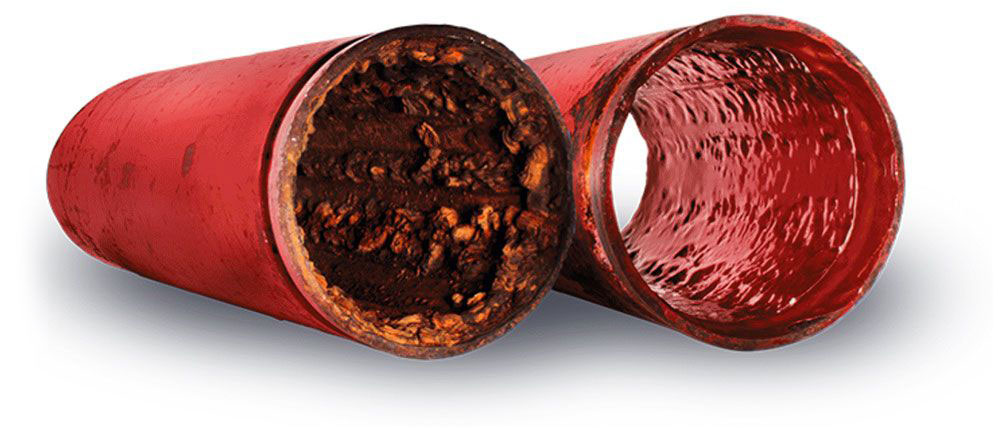
When stubborn obstructions, tree roots, concrete or damaged pipe sections are preventing water from flowing freely through your drainage system, traditional drain cleaning methods aren’t always enough. That’s where robotic pipe cutting can help.
At Reline-A-Pipe, we provide specialised robotic pipe cutting services in Sydney, using advanced Impact Mill and robotic cutting technology to remove difficult obstructions from inside existing pipes without unnecessary excavation.
Our robotic pipe cutting equipment is designed to tackle materials that conventional electric eels and high-pressure water jetting equipment may not be able to remove. Using specialised tungsten carbide and diamond-tipped cutting heads, our equipment can grind, cut and remove hardened obstructions, concrete and mortar, as well as assist with repairing misaligned and displaced pipe joints.
Robotic pipe cutting is also an important part of modern trenchless pipe rehabilitation. It allows damaged pipes to be prepared for relining and helps restore access to branch connections after a pipe liner has been installed.
Whether you’re dealing with a stubborn sewer blockage, concrete inside a stormwater drain or a damaged pipe that needs specialist attention, Reline-A-Pipe can assess your drainage system and recommend an appropriate solution.
Looking for professional robotic pipe cutting in Sydney? Contact Reline-A-Pipe today for an obligation-free quote.
Cost Effective
Faster Repair Time
Minimal Disruption to Property & Environment
Increased Pipe Durability
Improved Flow Efficiency
What Can Robotic Pipe Cutting Remove?
Robotic pipe cutting is designed to remove stubborn obstructions and unwanted materials from inside existing drainage pipes. Unlike conventional drain cleaning equipment, robotic cutters use specialised mechanical cutting heads to grind away hard materials with precision.
At Reline-A-Pipe, our robotic cutting equipment can help with a range of pipe rehabilitation and obstruction removal applications.
Concrete and Mortar Removal
Concrete, cement and mortar can accidentally enter drainage systems during construction or renovation work. Once hardened, these materials can be extremely difficult to remove using conventional drain cleaning equipment.
Robotic pipe cutting allows these hardened materials to be carefully ground away from inside the pipe, helping restore the internal passage and improve drainage.
Tree Root Removal
Tree roots can enter underground sewer and stormwater pipes through cracks, damaged sections and pipe joints. Large or established root intrusions can cause recurring blockages and restrict wastewater flow.
Robotic cutting can mechanically remove stubborn root intrusions that conventional drain cleaning methods may struggle to clear.
Misaligned and Displaced Pipe Joints
When pipe joints become misaligned or displaced, they can create internal obstructions that restrict the flow of wastewater.
Specialised robotic cutting equipment can help grind and reshape certain internal obstructions, improving the pipe’s internal profile where the pipe condition allows.
Protruding Pipe Connections
Some drainage systems contain protruding connections or unwanted intrusions that restrict the internal diameter of the pipe.
Robotic cutting equipment can be used to remove suitable protrusions and restore a clearer passage through the drainage system.
Hardened Deposits and Scale
Mineral deposits, hardened scale and other accumulated materials can gradually restrict the internal diameter of drainage pipes.
Specialised robotic milling equipment can help remove these deposits and prepare the pipe for further rehabilitation where required.
Preparation for Pipe Relining
Before pipe relining can take place, the existing pipe needs to be properly inspected and prepared.
Robotic pipe cutting can remove internal obstructions, protruding connections and other materials that may interfere with the installation of a new pipe liner.
How Does Robotic Pipe Cutting Work?
Robotic pipe cutting is a specialised process that allows trained technicians to remove obstructions from inside existing pipes without having to excavate the surrounding property.
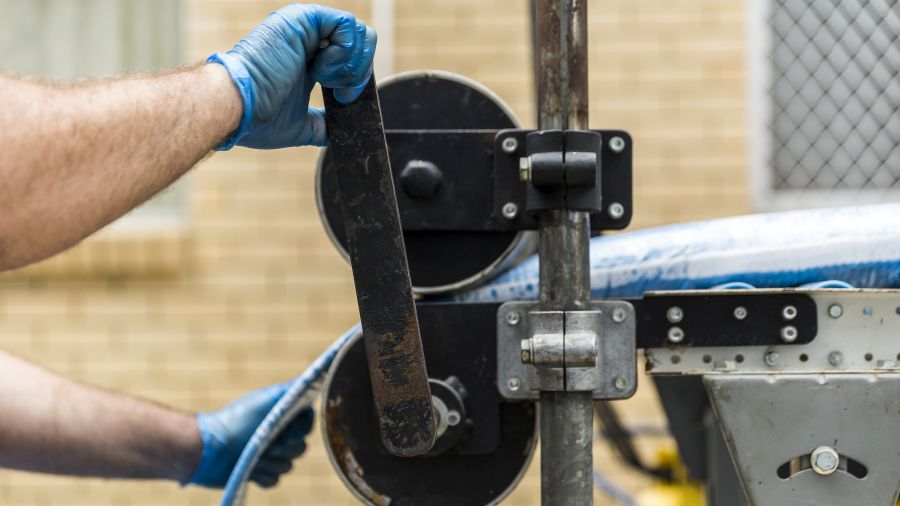
The equipment is operated remotely, allowing the cutting head to be positioned accurately within the pipe.
At Reline-A-Pipe, our robotic cutting process involves the following steps:
1. CCTV Pipe Inspection
The first step is to inspect the drainage system using specialised CCTV camera equipment. This allows us to identify the location, type and extent of the obstruction and assess the condition of the existing pipe.
2. Robotic Cutter Deployment
Once the obstruction has been identified, the robotic cutting equipment is introduced into the pipe through a suitable access point.
3. Precision Robotic Cutting
Using specialised cutting heads, the equipment is guided towards the obstruction. The cutting head uses controlled mechanical action to grind away materials such as concrete, mortar and other unwanted intrusions.
4. Obstruction Removal and Pipe Preparation
The removed material is cleared from the drainage system as appropriate. Where required, the pipe can then be prepared for further rehabilitation, including pipe relining.
5. Final CCTV Inspection
A follow-up camera inspection allows the condition of the pipe to be checked and the results of the robotic cutting work to be assessed.
LATEST FROM OUR BLOG
Patch Relining Pipe Repair: A Smarter Way to Fix Damaged Pipes Without Digging
Is Pipe Relining Worth It? Pipe Relining vs Traditional Pipe Replacement
Can You Reline Small Sections of Pipe?
Outside Drain Blocked? Here’s What You Need to Know
How to Choose the Right Pipe Rehabilitation Company
How long does it take to unblock a drain?
3 Easy Ways to Unblock Drains Outside
How to Unblock a Bath Drain
Signs You Have Tree Roots In Your Drains
WHAT OUR CLIENTS SAY!
Frequently Ask Questions About Robotic Pipe Cutting in Sydney
Robotic pipe cutting is a specialised pipe rehabilitation technique that uses remotely operated cutting equipment to remove obstructions and unwanted materials from inside existing drainage pipes. The equipment is fitted with specialised cutting heads that can grind away materials such as concrete, mortar, tree roots and other stubborn obstructions without requiring extensive excavation.
Robotic cutting offers a non-invasive, precise, and efficient alternative of drain repair as opposed to traditional methods like digging. It allows pipe professionals to access hard-to-reach areas and remove blockages or tree root intrusions without damaging surrounding infrastructure, saving time and money. It also helps avoid the need for pipe replacement.
Robotic cutters are a cutting tool that can tackle:
- Tree root intrusions
- Hardened scale or mineral deposits
- Collapsed liners or pipe debris
- Protruding service connections
- Obstructions blocking relining or flow
- Building material or concrete removal
Robotic cutting equipment works on various pipe materials, including:
- PVC
- Clay
- Cast iron
- Concrete
- HDPE and more It’s effective in residential, commercial, and industrial pipelines ranging from 100mm (4”) and up.
An IMS robotic cutter system, equipped with specialised cutting or grinding heads, is inserted into the pipe at an access point. Controlled remotely with CCTV guidance, the robot navigates bends and curves to precisely cut or remove internal obstructions, all without excavation. This specialised equipment is a joystick controlled operation, which takes some training from plumbing and pipeline relining experts that have experience with this pipeline rehabilitation equipment.
- Trenchless technology – no digging or damage to property
- Precision cutting with minimal risk to existing pipes
- Fast turnaround times
- Safe and clean process
- Ideal for relining preparation and lateral reinstatement
Yes. Robotic pipe cutting is a safe and controlled process when handled by trained plumbing professionals. It targets only the problem areas, preserving the rest of the pipe structure. Significant pipe damage can be removed or repaired in that specific section of pipe without hindering the rest of your plumbing.
Absolutely. After a pipe is relined, robotic cutters are often used to reopen lateral connections (branch lines) with precision. This is known as lateral reinstatement, and it’s a key part of a complete trenchless pipe repair. A post-cutting inspection will always be carried out to make sure everything runs smoothly. This is carried out by method of CCTV camera inspections.
Most robotic pipe cutting jobs are completed within a few hours to a single day, depending on the length and condition of the pipe. The process is significantly faster and less disruptive than traditional excavation methods.
Yes. At Reline-A-Pipe, robotic pipe cutting is an essential part of our pipe rehabilitation process. We use this technique to prepare the pipe before relining and to ensure long-lasting results after the liner is installed.
Need robotic pipe cutting for your project? Contact Reline-A-Pipe today to learn how we can safely and efficiently restore your pipe system without digging.
Yes. Robotic pipe cutting is particularly useful for removing hardened concrete and mortar from inside drainage pipes. Specialised cutting heads can grind away these materials, helping restore the internal passage of the pipe where its condition allows.
Yes. Robotic cutting equipment can mechanically remove established tree root intrusions that may be too difficult for conventional drain cleaning equipment to clear. However, if the roots have entered through cracks or damaged pipe joints, further repairs such as pipe relining may be required to prevent them from returning.
Both technologies have different purposes. High-pressure water jetting is effective for removing grease, sludge and loose debris, while robotic pipe cutting is designed to grind away hardened obstructions such as concrete, mortar and stubborn root intrusions. The best solution depends on the type of blockage and the condition of the pipe.
In many cases, robotic pipe cutting can be performed through existing drainage access points without digging up the surrounding property. This makes it a useful trenchless solution for pipes located beneath driveways, concrete slabs, landscaping and other difficult-to-access areas. However, additional access may sometimes be necessary.
The cost of robotic pipe cutting depends on several factors, including the type of obstruction, pipe diameter, accessibility, length of the affected section and complexity of the work. A CCTV inspection can help identify the problem and determine the most appropriate solution. Contact Reline-A-Pipe for an assessment and quote.